🍕 Introduction: The Eternal Pizza Debate
Few topics stir up the pizza world quite like this one: wood-fired vs gas pizza ovens. It’s a debate that splits backyards and kitchen counters around the globe. On one side, you’ve got the traditionalists who swear by smoky, flame-kissed crusts; on the other, the practical cooks who love the push-button ease of gas.
So… which one really makes the better pizza?
The truth is that both can create perfection — if you understand their strengths. This article explores flavour, performance, convenience, and cost so you can decide which side of the flame you’re on.
🔥 The Essence of a Great Pizza
At its core, pizza magic comes from intense heat and balanced moisture. The goal: a crisp, leopard-spotted base, airy crust, and molten cheese that melts just right.
To achieve that, your oven must reach 850–950°F (450–500°C) and maintain stable heat across the stone. Both wood and gas ovens can do it — but they go about it in very different ways.
🌲 The Romance of Wood-Fired Pizza Ovens
There’s something deeply satisfying about stoking a real fire. The crackle, the aroma, the smoke curling out of the chimney — it’s not just cooking; it’s theatre.
Advantages:
-
Authentic Flavour: That subtle smoky note comes from burning hardwoods like oak or beech.
-
Traditional Charm: Perfect for outdoor kitchens or rustic backyards.
-
High Temperatures: Once preheated, wood-fired ovens can hold 900°F for long sessions.
-
Multi-Purpose: Great for bread, roasts, and even desserts.
Disadvantages:
-
Longer pre-heat time (30–45 minutes).
-
Requires skill to control temperature.
-
Messier cleanup (ash and soot).
-
Not ideal for small spaces or balconies.
🔥 The Convenience of Gas Pizza Ovens
Gas ovens are all about ease. Twist the knob, ignite, and you’re ready in 15 minutes.
Advantages:
-
Instant Heat: No fire-building, just turn it on.
-
Precise Control: Adjust the flame instantly for even cooking.
-
Cleaner Operation: No ashes, no wood storage, no smoke.
-
Portable & Compact: Perfect for patios, campers, or city balconies.
Disadvantages:
-
Lacks that distinctive wood-smoked aroma.
-
Slightly less “romance” for traditionalists.
-
Needs a gas tank or connection nearby.
⚖️ Side-by-Side Comparison
| Feature | Wood-Fired | Gas-Fired |
|---|---|---|
| Heat-Up Time | 30–45 min | 10–15 min |
| Max Temp | 950°F | 900°F |
| Flavour | Smoky, rustic | Clean, mild |
| Control | Manual, skill-based | Precise dial control |
| Cleaning | Ash removal | Minimal |
| Portability | Heavier | Lighter |
| Cost | Slightly higher | More affordable |
| Skill Level | Moderate–advanced | Beginner-friendly |
🍽️ Taste Test: The Flavour Factor
If we put two pizzas side by side — same dough, same toppings — here’s what happens:
-
Wood-Fired: The crust develops tiny blisters with caramelised edges. The smoky undertone adds complexity to simple Margheritas.
-
Gas-Fired: The crust is evenly browned, slightly drier but clean-tasting, allowing toppings to shine.
In blind taste tests, most people love both — but purists pick wood for that extra kiss of smoke.
🧱 Build & Performance
Wood-Fired Ovens like the Ooni Fyra 12 or Gozney Dome use dense stones and thick insulation to trap heat. Once they’re up to temperature, they can pump out pizzas for hours without cooling.
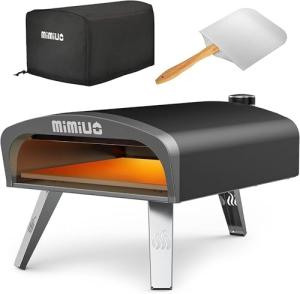
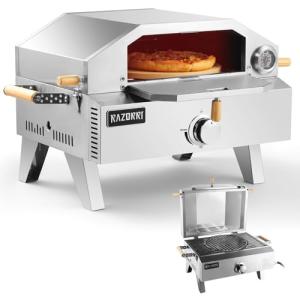
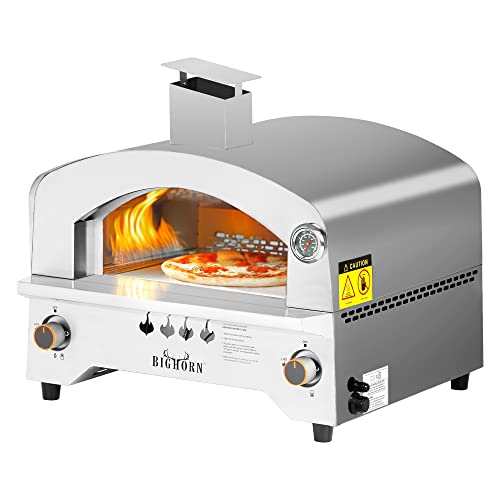
Gas Ovens like the Ooni Koda 16 or Roccbox Gas excel at even heat and consistency. Their L-shaped burners wrap flames around the stone for perfect browning.
If you’re serving big groups or catering events, wood ovens create that “wow” factor. If you’re cooking 2–3 pizzas after work, gas is unbeatable.
🧰 Maintenance & Cleaning
| Task | Wood-Fired | Gas-Fired |
|---|---|---|
| Ash Disposal | After every session | None |
| Stone Cleaning | Occasional scraping | Quick brush-off |
| Exterior Wipe | Smoke residue | Minimal soot |
| Storage | Weather-protected | Simple cover |
Wood-fired ovens need more love. You’ll be sweeping ash, wiping soot, and occasionally re-seasoning the stone. Gas ovens? Just brush the stone and cover it when cool.
💸 Cost & Longevity
-
Wood-Fired Models: £400–£1,500+ depending on size and materials.
-
Gas Ovens: £300–£900 for portable models, up to £1,200 for premium dual-fuel versions.
Over time, wood adds minor ongoing costs (bags of hardwood pellets), while propane or natural gas refills cost slightly less per session.
🌍 Environmental Impact
Pellets and sustainably sourced wood can be eco-friendly, but gas burns cleaner overall with fewer particulates. If you’re conscious about emissions, gas takes the lead.
🧠 Which One Is Right for You?
Choose Wood-Fired if:
-
You love the ritual of tending a live flame.
-
You host outdoor pizza parties often.
-
You crave that authentic, smoky crust.
Choose Gas if:
-
You want simplicity and speed.
-
You live in a small space or city.
-
You’re new to high-heat pizza making.
❓ Common Questions
Q: Can I get a dual-fuel oven that does both?
Yes! Models like the Ooni Karu 12 or Gozney Dome let you switch between gas and wood.
Q: Does wood really make pizza taste better?
It adds smoky depth, but flavour differences can be subtle — especially with strong toppings.
Q: Which lasts longer?
Both can last years with care. Gas ovens usually need less maintenance.
Q: Can wood-fired ovens be used in winter?
Absolutely! In fact, the heat they generate makes winter pizza nights extra cosy.
🍕 Final Thoughts
In the end, “better” depends on your lifestyle.
If you dream of rustic outdoor gatherings, go wood-fired — it’s pizza romance at its finest.
If you prefer fast, fuss-free perfection, gas will make every pizza night a success.
The real secret? Good dough, fresh toppings, and a bit of passion — whichever oven you choose, you’ll taste the love in every slice.
